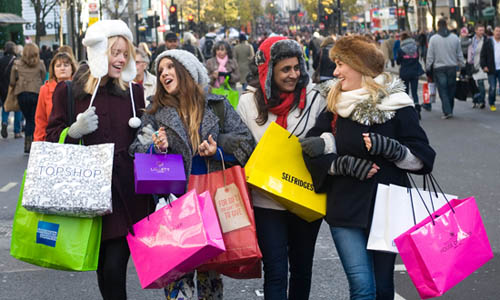
Shopping with Climate Change in mind
The suggestions below involve ‘what you buy’ and suggest a change because you need to take ‘Climate Change’ into account. Avoid the main items that end up in the landfill.Avoid plastics that cannot be recycled, Clingfilm and styrofoams like polystyrene in the packaging of goods that you are buying. These will take centuries to degrade like all chemical industry products that are produced from oil. Try to avoid nonessential packaging in general. Easter eggs and Christmas offers often have large packaging for the occasion. If you cannot avoid them, try to buy those that are biodegradable or recyclable. Food Miles / Transport costsWe need to start thinking in terms of “Food Miles” or the carbon and transport costs involved in getting the food or goods to us. We need to think about how it got to the shop. Do the goods come from China or do the vegetables that can be grown locally come from South Africa or Australia? Get your local shop to sell local goods and support your local farmers who grow food for the local markets. We need to avoid those cheap goods from far away and, instead of short term savings, we need to think of the long term ‘saving our planet’ in terms of the greenhouse gases we can avoid being created. Transporting long distances is generally not energy efficient. We need a new “mindset” in our purchasing. Washing habits and what we buyWhen buying your clothes, try to buy textiles that you can wash either by hand or in a machine at low temperature – try to avoid clothes that need to be dry-cleaned. Dry cleaning is expensive, is not energy efficient and it uses solvents that are harmful to the environment and to humans. Low temperature washes save energy and most natural materials dry easier in a line outside (weather permitting), thereby avoiding using the tumble drier. Shopping bags and wrappersAlthough we have been charging for plastic bags for some years now and encouraging using your own bags – it has been noticed of late that the number of plastic bags sold has increased (notably to single male shoppers). Forgetting to take your own bag is the main reason, so put a bag in your car or hang it in the cupboard with your coat to remind you. Even if the new plastics are biodegradable, not having a bag to dispose of is the most effective way. In the supermarkets, try to avoid pre-packed goods, put fruit and vegetables in your basket loose and try to avoid packaging where possible. Buy ConcentratesBuy goods in a concentrated form for this means less packing and less “Food Miles” involved by needing to transport the goods less often. Buy BulkWhen buying in bulk, you reduce the number of shop visits and the transport costs. When buying bulk, again look out for additional packing. Shop less oftenOnce a week, or even once every two weeks, get your shopping all at once and only top the shopping up with fresh foods and try to do this at your local shop. This saves on transport costs especially if you live in the countryside and need to use a car. Before going shopping, look in your cupboard to see what you need, so as to avoid having to go again and again. Remember car transport to the major shopping centre may negate their lower prices by costing you more in fuel and wear and tear on your car. Plants and flowersWhen buying plants and cut flowers, consider where they come from and how many “transport miles” are involved. Consider buying native flowers and plants grown locally or grow them yourself ready to give as gifts, for flowers grown by you are often more appreciated. Choose your woodMany products that you buy are made of wood. Avoid rainforest woods. There are a number of certified sources for wood which are harvested sustainably; the most notable certificate being “Forest Stewardship Council FSC” which gives you some assurance. Not all local woods grown in Ireland are suited for furniture, but try to encourage the reduction of transport required. Electrical Goods ReturnsThe WEEE (Waste of Electronic and Electrical Equipment) directive states that all electrical goods must have a levy placed on them to cover the cost of recycling. The directive ensures that waste electrical goods are recycled in a safe way (removing many of the harmful chemicals that would otherwise reach landfills) and uses the free take-back of goods sold by the shop from which they were bought. All electrical stores now run this (bring back) system but it does not include all goods. Check before you buy. Your local Recycling Centre will also take WEEE goods free-of-charge. Buy goods with the correct energy rating.It is now obligatory that all electrical and electronic goods have an energy rating, categorized from A to G. This scale allows you to see the energy consumption and efficiency of the appliances at a glance. ’A’ is best, so buy ‘A’ as the most efficient and to save energy as well as money running them in your home. EU legislation since 1995 means that all washing machines, dishwashers, washers/driers, driers, fridge and freezers have energy labels. Some computers and equipment such as video and DVD players, sound systems and music players are also labelled - but not all. If you find equipment not labelled ask about their energy consumption. Many now have low-energy standby capabilities whilst others do not – again ask, because the labelling may not cover standby ratings.Holiday shoppingChristmas, Easter, Halloween and St. Valentine’s Day shopping items usually have special packaging. At these times, choosing what you buy is most important as many of the goods come from the Far East or outside of the EU regulated areas – and not only are the “Food Miles” an issue, but so is safety. Think of recycling and reusing things such as the decorations and Christmas tree. Growing your tree in a pot for reuse is always the most effective way to deal with the tree and use natural decoration such as Holly and Ivy that are local (though keep out of reach of small children). Try and use recycled paper cards or send e-cards which are more energy efficient. Bake cakes and mince pies using local produce or find someone local who can do it for you. Some of these Christmas outside "light shows" cost more electricity in the weeks around Christmas than during the entire rest of the year. At Halloween do not burn items that put C02 in the air. At Halloween many use the bonfires for getting rid of unwanted furniture and goods. This is a way of illegal dumping not to mention that burning waste is illegal (as are the fireworks!) |